
AC DC Current Probe
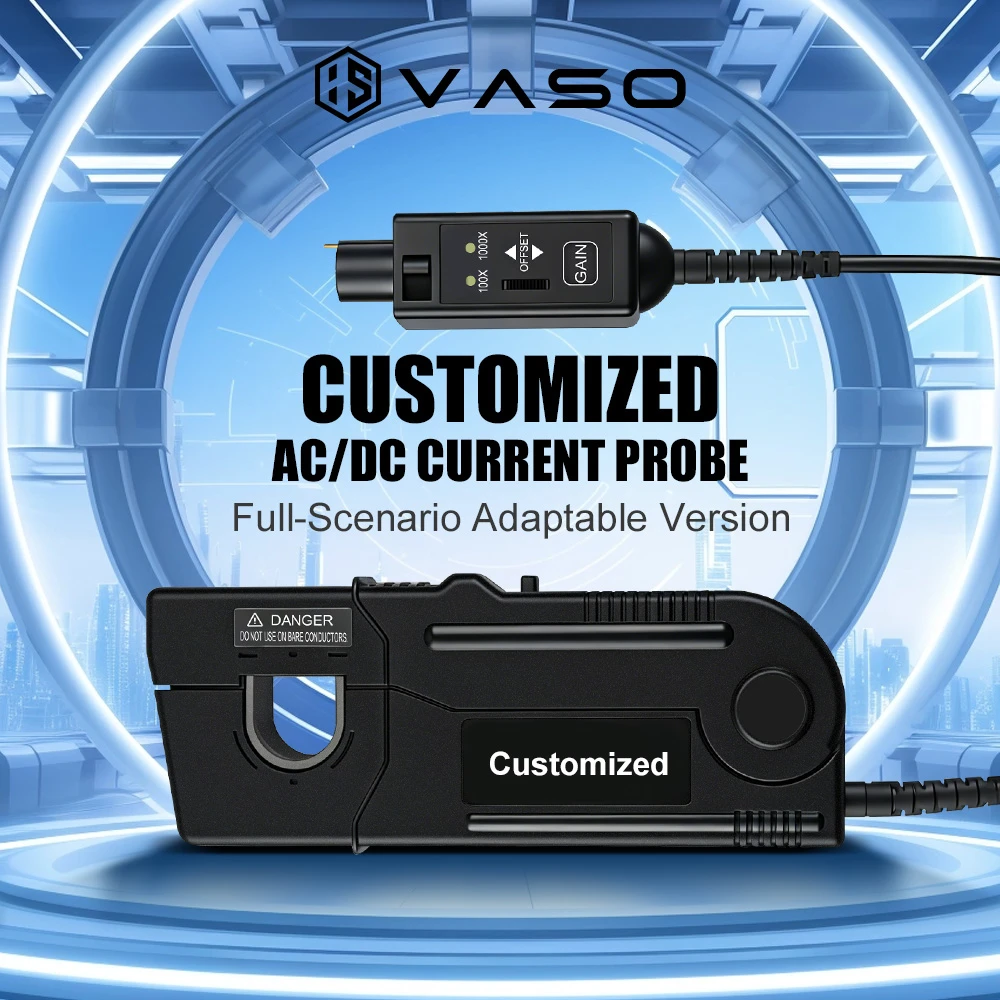
An AC/DC current probe is a test tool that measures both alternating current and direct current by sensing the magnetic field around a wire.
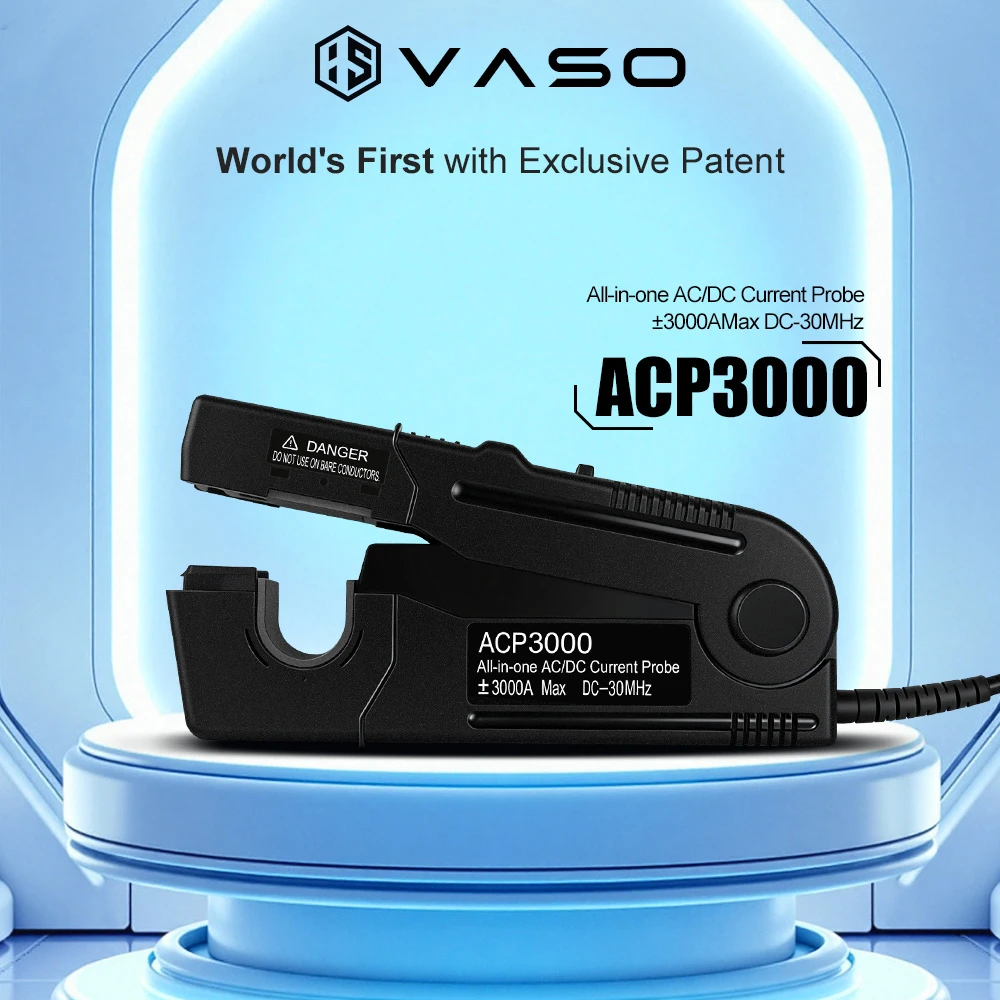
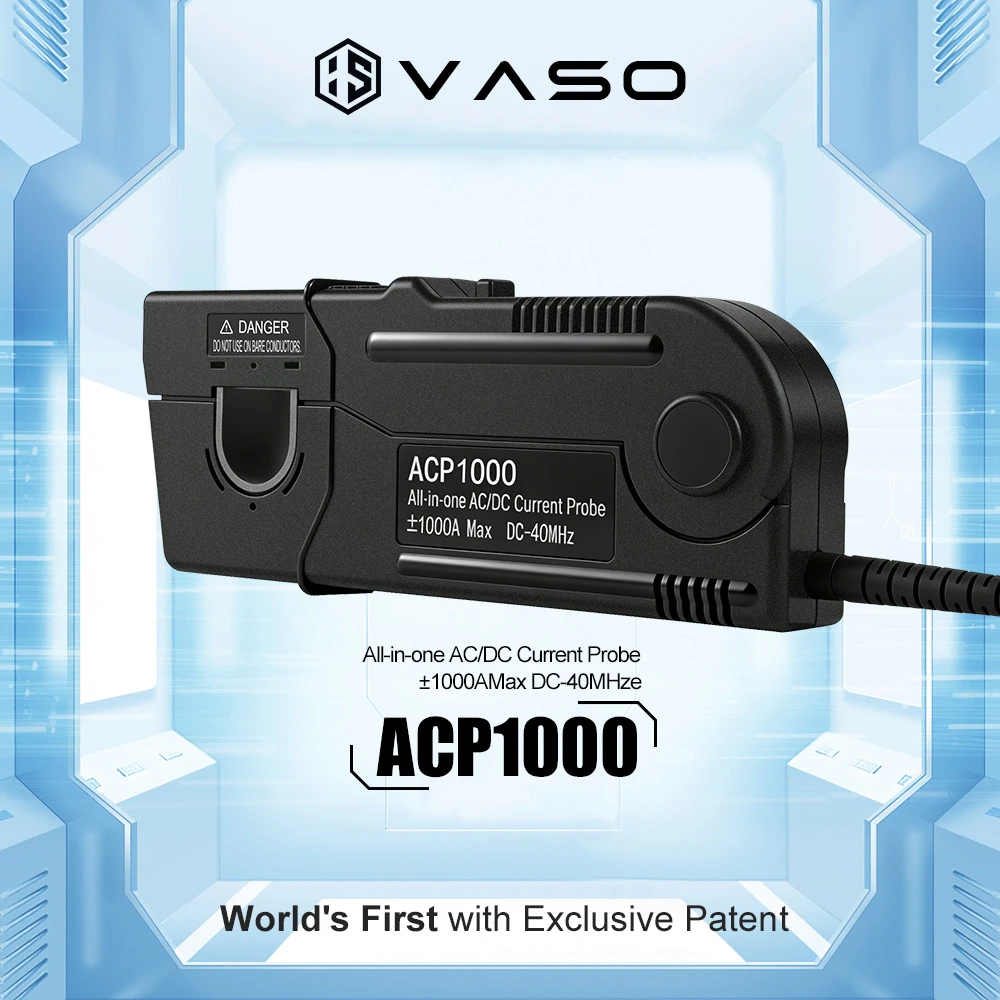
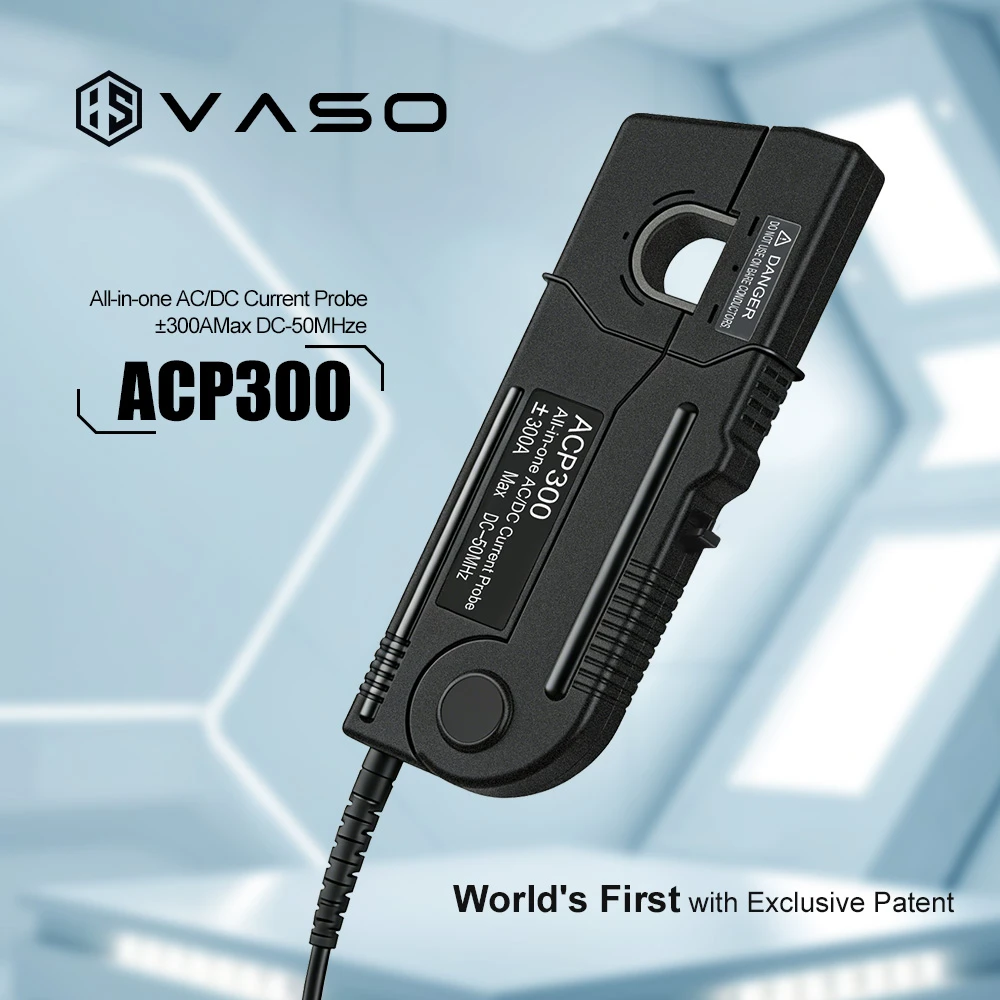
New Energy Vehicles
Battery management system validation, motor drive current analysis, power electronics efficiency testing for EV/HEV powertrain development.
Industrial Automation
Servo motor control verification, inverter performance testing, industrial equipment commissioning and predictive maintenance diagnostics.
Avionics
High-reliability power system validation, avionics bus current monitoring, MIL-spec testing and certification support.
Power Systems
Grid-connected inverter testing, UPS system validation, power quality analysis and smart grid component qualification.
EMC Testing
Conducted emission measurement, transient immunity evaluation, pre-compliance and full compliance current probe setups.
Power Electronics R&D
Switching converter waveform capture, magnetic component characterization, circuit debugging and energy efficiency evaluation.
FAQ
1. Which oscilloscopes are compatible with the ACP series current probes?
Featuring a replaceable adapter design with proprietary technology, this product is fully compatible with all oscilloscope interfaces from the 1st generation to the 3rd generation.
2. What are the features of the ACP series current probes?
Equipped with an exclusive patented connector design, the probe is directly powered by the oscilloscope and supports automatic attenuation ratio configuration. Compared with conventional current probes that require an external power adapter and manual attenuation setting, our product greatly simplifies test wiring and streamlines measurement setup procedures. When switching to a different oscilloscope platform, only a simple adapter replacement is needed for compatibility, effectively maximizing and protecting your test investment.
3. What industry pain points does the ACP series current probe solve?
1.Adopting a new-generation structural sensor design with robust and durable construction, it addresses the common industry issue of fragile traditional high-frequency current sensors. 2.The entire unit supports a wide operating temperature range from -40℃ to +85℃, breaking the limitation of traditional high-frequency AC/DC current probes that only operate within 0℃ to +50℃. 3.Extremely low insertion impedance ensures no sensor overheating, enabling long-duration high-current testing with no frequency derating during high-frequency measurements. 4.This product can be customized for high bandwidth and high current scenarios according to user requirements.
4. Key parameters for current probe selection
Core considerations include bandwidth, current rating, measurement accuracy, jaw opening diameter and operating environmental conditions.
5. How to select the appropriate bandwidth for a current probe?
The core principle of bandwidth selection: the probe bandwidth should be 3 to 5 times the maximum frequency of the measured signal. Comprehensive evaluation shall be made combining rise time, oscilloscope matching, noise performance and current range. Higher bandwidth does not always mean better performance.
6. Critical matching rules & common pitfalls for current probe selection
- Oscilloscope Bandwidth Matching
- The overall measurement system bandwidth is determined by the lower bandwidth value between the probe and the oscilloscope.
- It is recommended that the probe bandwidth reaches at least 80% of the oscilloscope bandwidth.
- Example: A 500MHz oscilloscope requires a probe with ≥400MHz bandwidth.
- Balance between Bandwidth and Current Range
- High-bandwidth probes (100MHz and above): Generally with a small current range (≤50A).
- High-current probes (≥100A): Usually limited to lower bandwidth (≤50MHz).
- Selection standard: Sufficient bandwidth + current range covering peak current with 20%~30% margin.
- Noise Suppression
- Low-frequency applications (e.g. 1kHz): A 10MHz bandwidth probe is sufficient to avoid RF noise introduced by excessive high bandwidth.
- High-frequency applications: Prioritize probes with excellent frequency flatness (within ±1dB) and resonance peaks outside the working frequency band.